
What books for young readers can be a complex question, especially in an era where screens compete with books for young people’s attention. However, the interest in reading hasn’t disappeared; it has only changed. Teenagers love stories that connect with their lives, that allow them to escape the daily grind, or explore unique adventures.
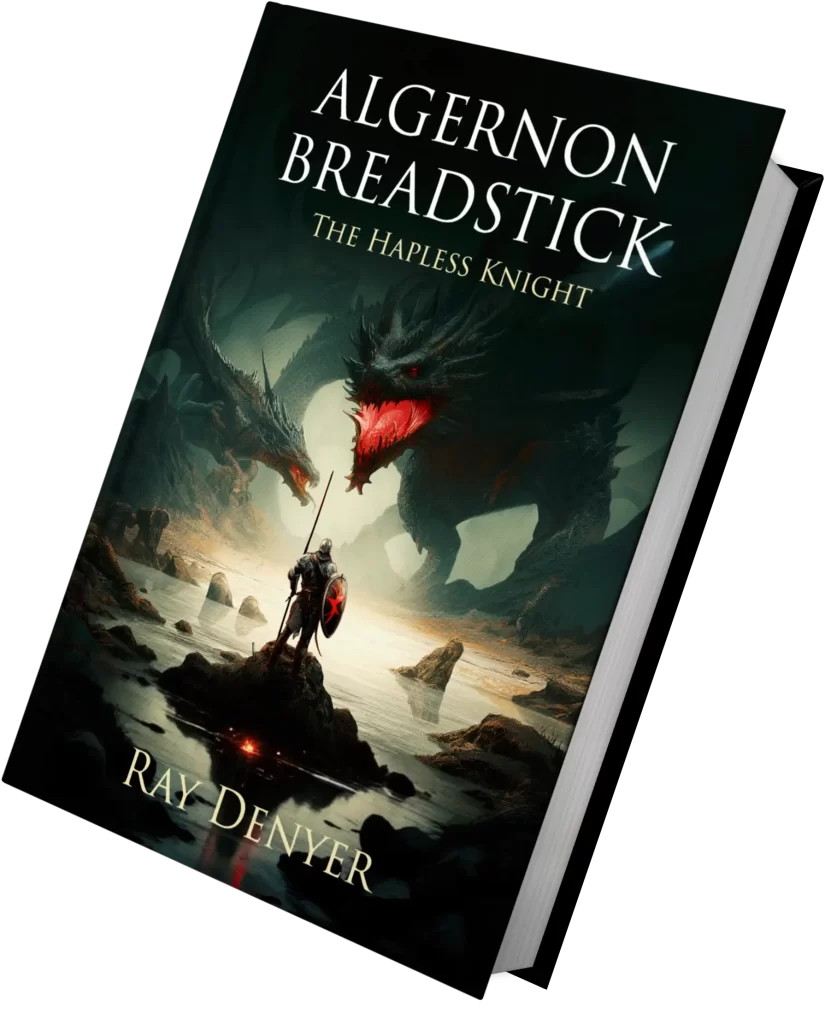
We create the world with our actions, feelings, and thoughts. The change we want comes first from within, and Denyer’s The Hapless Knight uses Algernon’s story—rooted in the author’s own growth—to help readers learn to be better people and begin new chapters in their lives.
In this blog, we’ll dive into the magical world of books for young readers—stories that spark imagination, nurture empathy, and help young people discover who they are and who they might become.
Young readers are drawn to books that reflect their dreams, challenges, and the excitement of growing up. Whether it’s a fantastical quest, a heartfelt romance, or a mind-bending mystery, the best stories for young readers let them see themselves and their possibilities within the pages.
A good young adult book usually features authentic characters that young people can identify with. Stories about friendship, first love, or the challenges of adolescence are always popular with them. Teenagers look for stories that reflect their own problems and insecurities and help them understand themselves better.
In addition to books for young readers based on realistic experiences, many enjoy fantasy and adventure. These genres allow them to immerse themselves in magical worlds or exciting quests that spark their imagination. Series like Harry Potter or The Hunger Games have been successful precisely because they create rich universes that captivate the reader and invite them to dream.
Structure matters, too. In a fast-moving, screen-filled world, young readers appreciate stories with short chapters and lively pacing. Books that keep the action moving—while still offering real depth and emotion—are the ones that become favorites.
Every reader has their preferences, but some genres tend to stand out among teenagers. Some of the most popular genres among them include:
Romance is one of the most popular genres, especially among young female readers. Stories of first love, complicated relationships, and self-discovery touch on themes very close to teenage life and often resonate deeply with them.
Science fiction novels not only offer an escape but also spark youngsters’ curiosity about topics such as technology, the future, and the big questions about the universe. Authors like George Orwell and Suzanne Collins have captured the attention of young people with plots that explore alternate futures and question society and its values.
Adventure books for young readers, especially those in which the protagonist embarks on a journey or faces challenges, are ideal for teenagers. These stories not only entertain but also convey important life lessons, inspiring them to discover their own strengths.
Among the books that capture youngsters’ attention and allow them to experience exciting adventures is one by Ray Denyer. Each chapter is designed to maintain their interest and make them want to read more, with short chapters and a pace that hooks them from the beginning. Its effects are often silent, latent, and profound. Throughout this book, Algernon’s missed opportunities and silent struggles echo Ray Denyer’s own reflections on the past. The interwoven layers reveal that what didn’t happen can be the missing piece of the puzzle that allows us to truly know ourselves.
The story in The Hapless Knightnot only develops imagination but also stimulates empathy, friendship, and camaraderie. Ray uses Algernon’s narrative to illustrate the importance of letting go of external opinions, judgments, and unsolvable problems, revealing the keys to learning to release what is beyond your control. This novel addresses the emotions and challenges of adolescence, not only entertaining but also encouraging reflection and fostering emotional connection with its audience.
Ray’s books for young readers are perfect for anyone eager to embark on an adventure, explore the magic of friendship, or find the courage to be themselves. With every page, young readers are invited to dream bigger, care deeper, and embrace the adventure of growing up.
The growth of young adult literature is a seemingly endless phenomenon, as reading remains one of the favourite forms of teenage entertainment despite the omnipresent competition from the internet and other digital distractions. It’s a form of textual magic that aims to capture the imagination of new generations through publishing.
It’s interesting how we relate to reading at different ages and how, sometimes, we do so despite what others expect of us. This happens frequently in the world of young adult literature, the age when stories of joyful discoveries and captivating readings emerge, books that instil a lifelong love of reading.
Ray Denyer states that each story must strive to be age-appropriate, since his job is to provide a context about the lives and interests of young readers, avoiding at all costs guidelines that pursue other goals. This tendency to obey arbitrary rules from outside the literary field is very evident when considering content. Most publishers, in addition to attending to the basic needs of publishing, must also consider prescriptions unrelated to notions of quality.
There are people who demand respect for morality, for good customs; there are publishers that are influenced by certain churches, including a whole class of additional actors who have a say in what is decided to be published or not. Even so, he maintained, the books for young readers exercise considerable creative freedom compared to other divisions of the industry.
One Response