
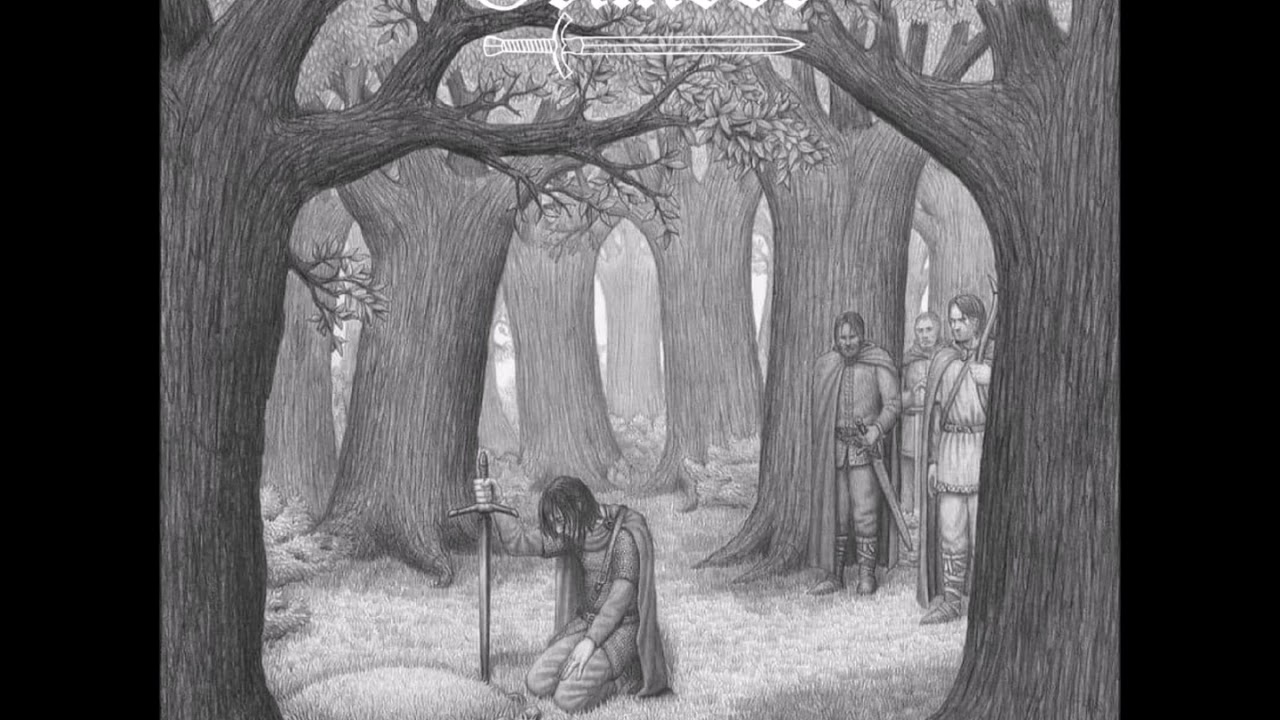
The Adventures Of Algernon Breadstick, The Hapless Knight by Ray Denyer unfolds as a whimsical tale of perseverance, kindness, and unexpected triumph. Algernon Breadstick is a well-meaning but accident-prone would-be knight. After failing his apprenticeship and being denied knighthood, Algernon, determined not to give up, sets out to prove himself. Tasked with slaying the Loch Ness Monster, he instead befriends the gentle creature, who gives him a tooth as proof of their encounter. This act of friendship allows Algernon to return home a hero and at last earn his knighthood from the king.
Written by Ray Denyer, a storyteller whose own life is as colourful as the tales he pens. Growing up in the lively East End of London, Ray’s early years were shaped by a diverse and bustling community—a source of humour and inspiration that infuses his stories. Now 68, Ray is a devoted father and grandfather to 14, drawing on the warmth and wisdom of his large, close-knit family. Before turning to writing, he enjoyed a successful career in security, overseeing high-profile events and concerts—a journey that began at Blenheim Palace and took him to some of the UK’s most iconic venues.
Over the past few months, many of us have realised the truth of this reflection. It’s clear we’re talking about two different things, but they very often intertwine and collide, and it’s precisely these moments that Ray Denyer invites us to reflect on.
In The Adventures Of Algernon Breadstick, The Hapless Knight, Algernon’s kindness shines as brightly as his armour. Rather than fighting dragons or outwitting trolls, he chooses the path of friendship—befriending the Loch Ness Monster, helping homesick trolls find their way home, and turning fearsome dragons into loyal allies. When the kingdom faces its greatest dangers, it is not brute strength or cunning that saves the day, but Algernon’s compassionate heart and the steadfast friends he has made along his journey.
You have to develop it, but you didn’t do anything to acquire it. Being kind, on the other hand, is a choice, something you decide at every moment of your life; we don’t come with it. We have to develop and apply kindness, and, as we all know, there are times when it can be difficult.
We can all be kind, but we’re not always sure that’s the image we want to project. It’s common to have the distorted idea that kindness is associated with weakness, servility, or a lack of self-confidence.
Sometimes, false kindness can mask all those characteristics, but we’re not talking about genuine kindness; rather, a facade that doesn’t fool anyone for long.
Real kindness, the kind offered without expecting anything in return, is a typical characteristic of strong, self-confident people. It’s precisely this self-assurance that allows them to be kind and interact with those around them without feeling attacked.
It’s truly wonderful and rewarding to know you have good Samaritans, friends who never let you down and whom you can turn to. It’s also good, even necessary; to learn that I should do the same if someone asks me to. However, outside the circle of friends, where cooperation is a given, there are plenty of times when you’re asked to do something for them by people who have the audacity, the nerve, or the recklessness. And because you’re kind, you extend your hand, and they squeeze it, you help, and they trample all over you. But that’s not how it works.
We must admit that there are situations in which there is no room for refusing to help, and we will all act as requested or expected. It is imperative to respect our consistency with our previous choices and the hierarchical structure that seeks to ensure unity of action.
It doesn’t require grand gestures. It’s about a smile, a kind word, or a compliment. Small, seemingly insignificant gestures that are priceless to those who receive them, and which are now more necessary than ever when human contact is, by necessity, less frequent.
Making people around us feel good benefits them and is one of the most effective ways to boost our self-esteem, confidence, and well-being.
Stopping navel-gazing and looking outward for others, seeking ways to brighten their day, is one of the best ways to generate the energy we need to climb out of our own personal rut.
Returning to the beginning of this post and to The Adventures Of Algernon Breadstick, The Hapless Knight, being kind won’t always be the easiest choice, but it is undoubtedly the wisest if we want to leave a mark of empathy and love on the world—just as Algernon does in his tale.
On the other hand, there are situations in which we are proud of our values, and these values would be called into question if we were not consistent. In these cases, we could refuse, but consistency with our conscience should lead us to courageously accept the sacrifice that serving them entails.
In the end, The Adventures Of Algernon Breadstick, The Hapless Knight shows that kindness and loyalty triumph, leaving a lasting mark on his world. Knowing how to say “no” serves our pride and increases our self-confidence. Denyer mentions this because Algernon was aware of the most universal persuasive technique used to convince, which flies under the radar: the rule of reciprocity.